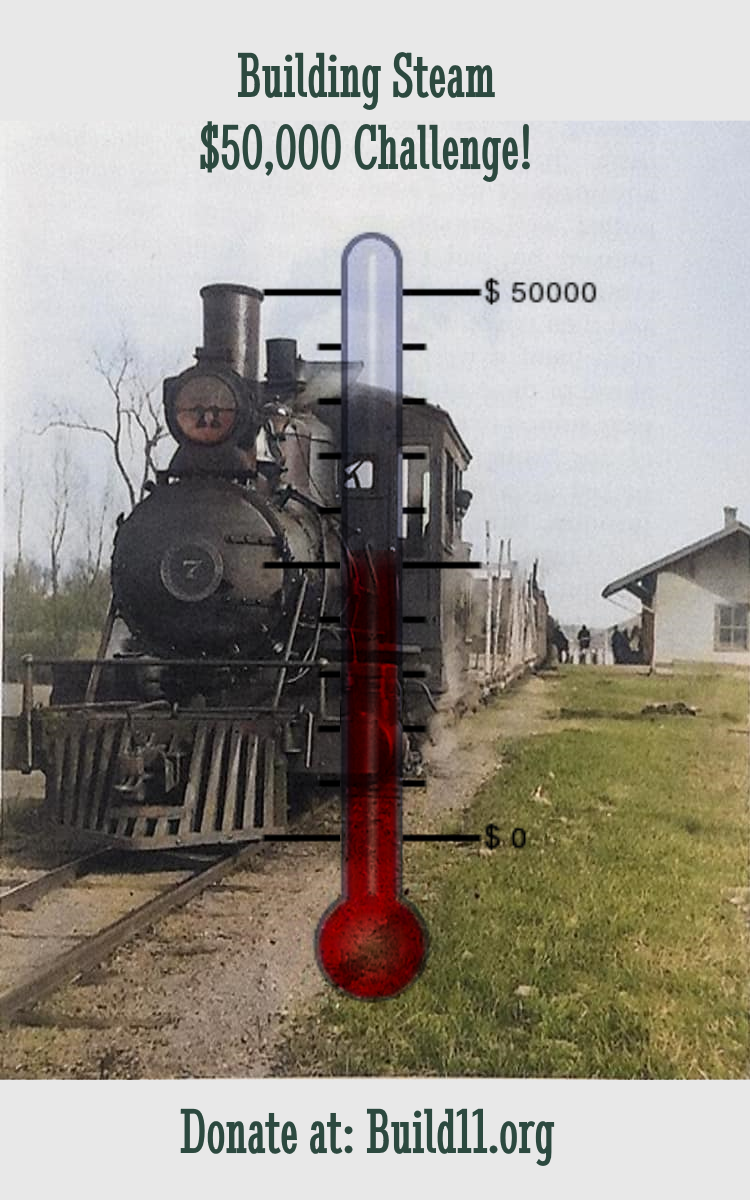
A special Build 11 update from one of our volunteers…
Hi everyone. I’m Rick Sisson, a member of the WW&F Ry Museum for more than 20 years. I love volunteering there, but because I live more than 200 miles away, and because of Covid era restrictions, I’m not able to get to Maine as often as I’d like. As a member of the Build 11 engineering team, I’m able to contribute to that project by working from home, or “remote working”. I develop designs and drawings on my computer using CAD programs that are shared with and reviewed by the Build 11 team. I can collaborate with the entire team using Zoom meetings.
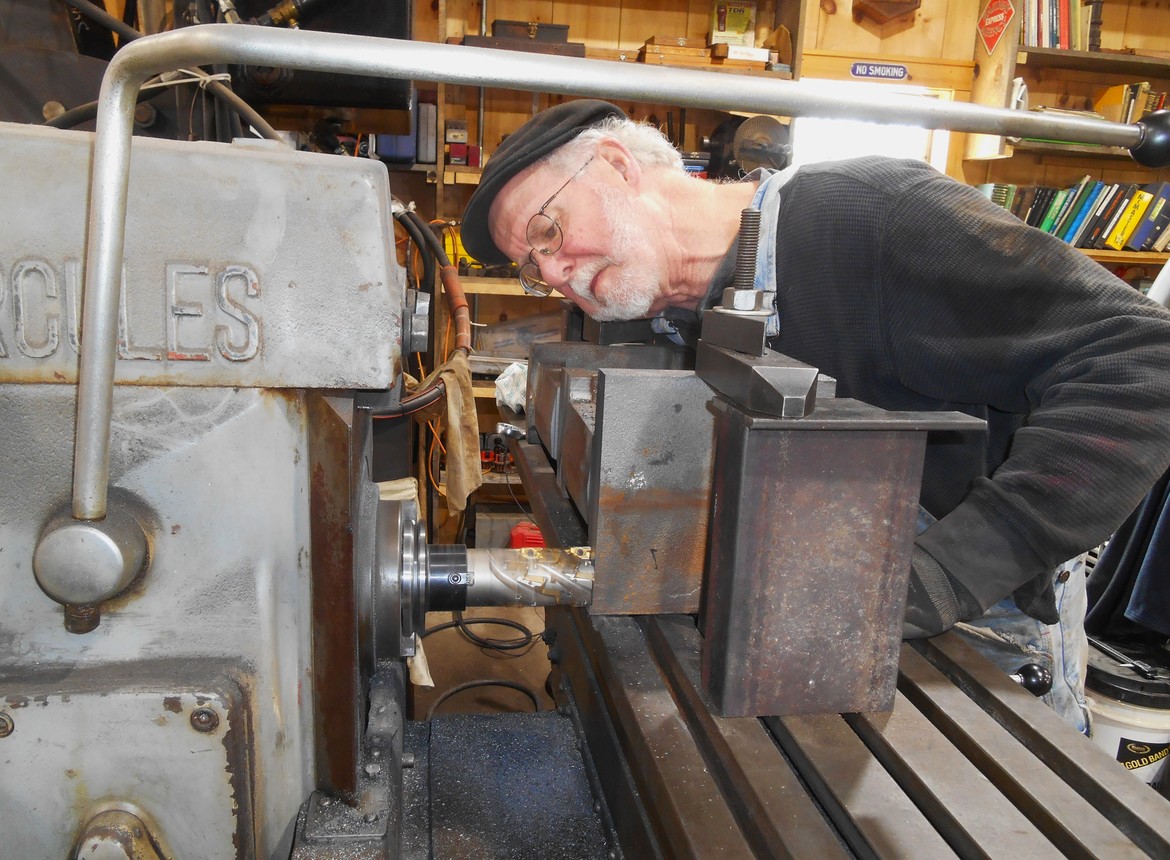
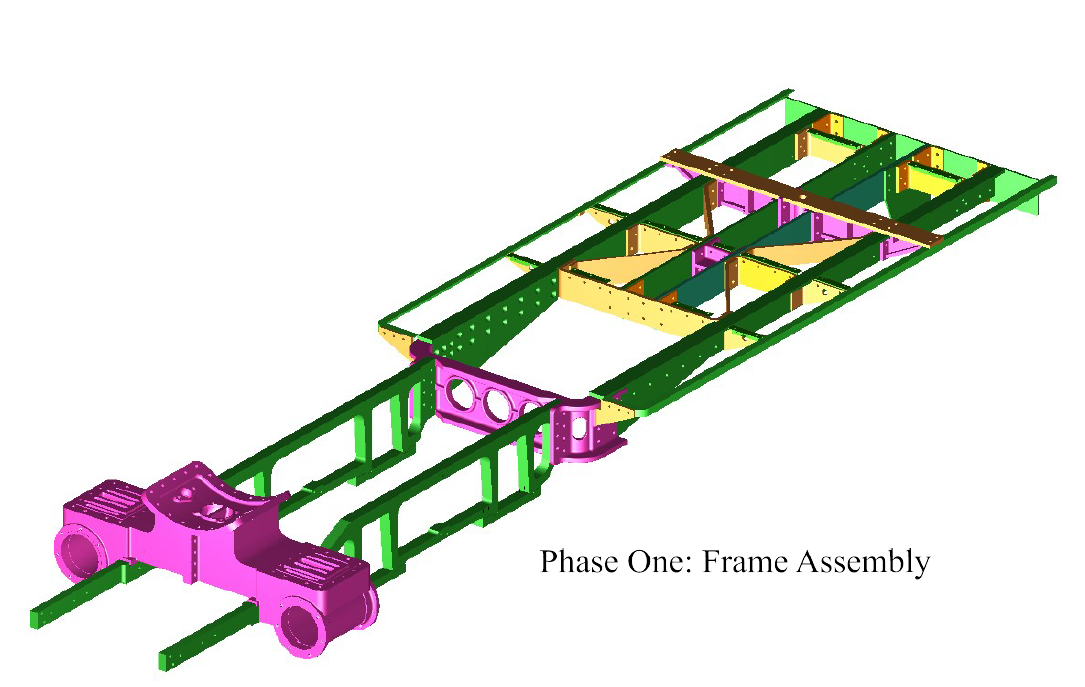
We’ve partitioned the Build 11 construction efforts into 5 phases. The first of these constitutes the forward frame which incorporates two cylinder saddle castings. These are large, complex components weighing about 1600 pounds each. We expect to receive the raw castings this summer which we will send to a local shop to get them machined to our specifications. This operation is complex, requiring specialized machine tools and will take a fair amount of shop time to complete.
Accordingly, this will consume a significant portion of this years Build 11 budget. Your contributions to the Build 11 campaign will ensure that we will be able complete phase 1 of the Build 11 project. And let’s not forget, the first $25,000 contributed this year will be matched by the Candelaria Fund. This matching grant will accelerate Build 11 progress. A heartfelt thank you to everyone who contributes. You’re all part of the Build 11 team!
Learn more and contribute at www.build11.org.
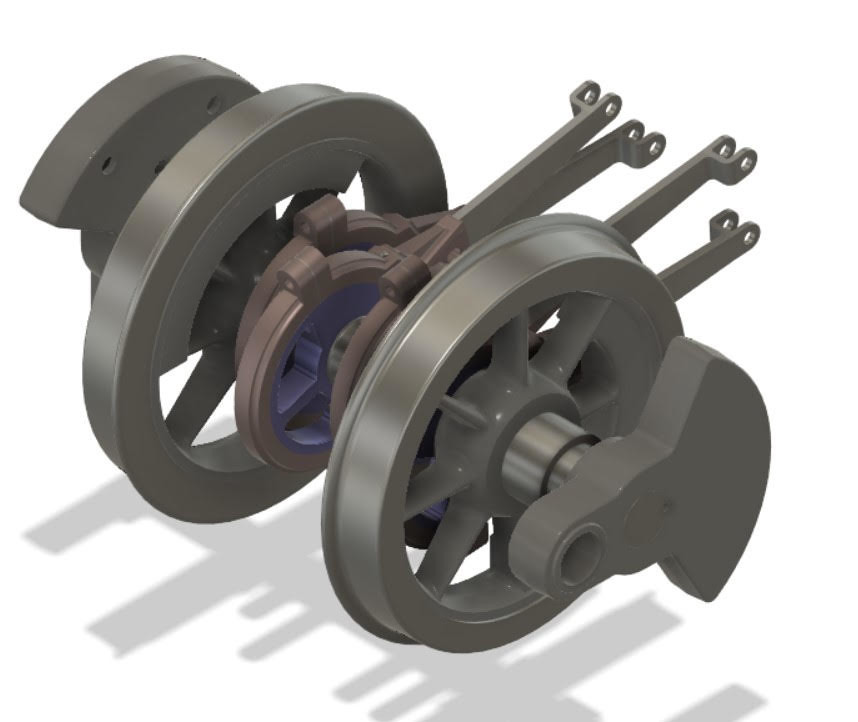
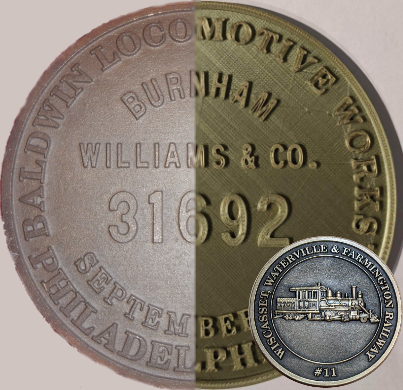
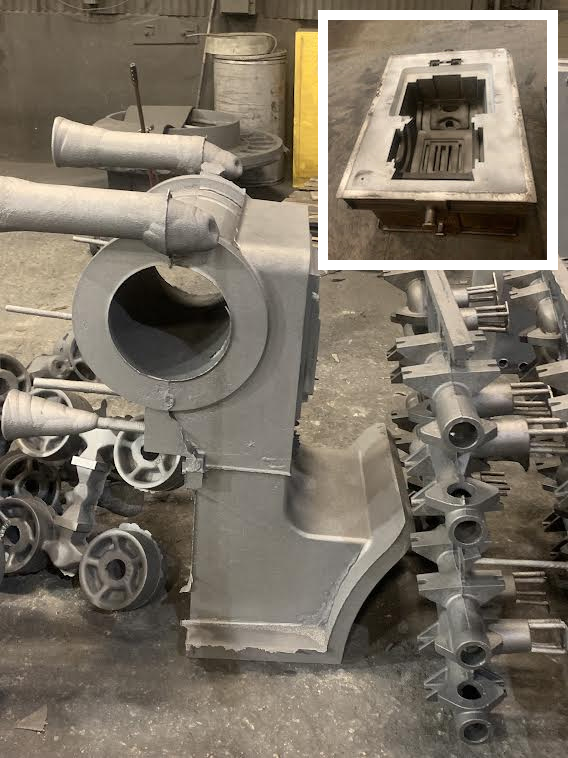
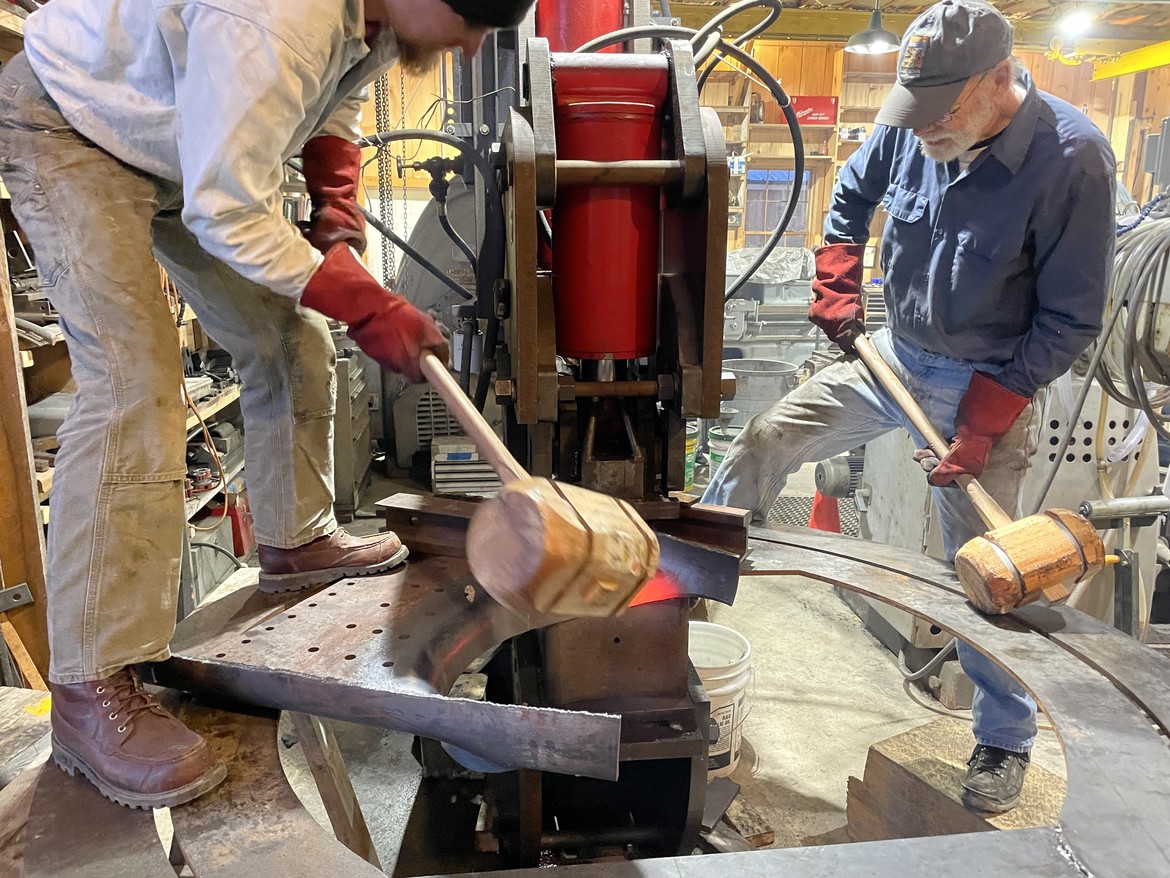 And the best news of all, on January 5, the folks at
  On February 2 and 3, the build 11 team is planning the first of what we intend to be regular work days devoted to making and finishing parts for No. 11. We are looking for some more folks who would like to be involved in this project, and we invite anyone interested to sign up to join us.
 We can sympathize with Dakota, as our shop is backed up with projects, too, and there is currently no space available for us to begin assembling No. 11’s frame at this time. Next spring….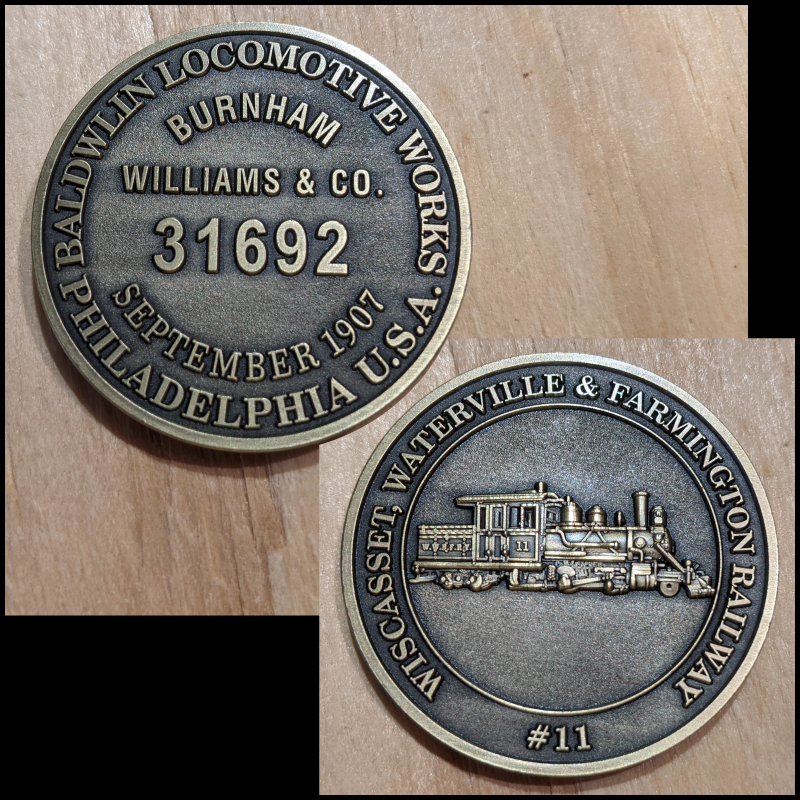
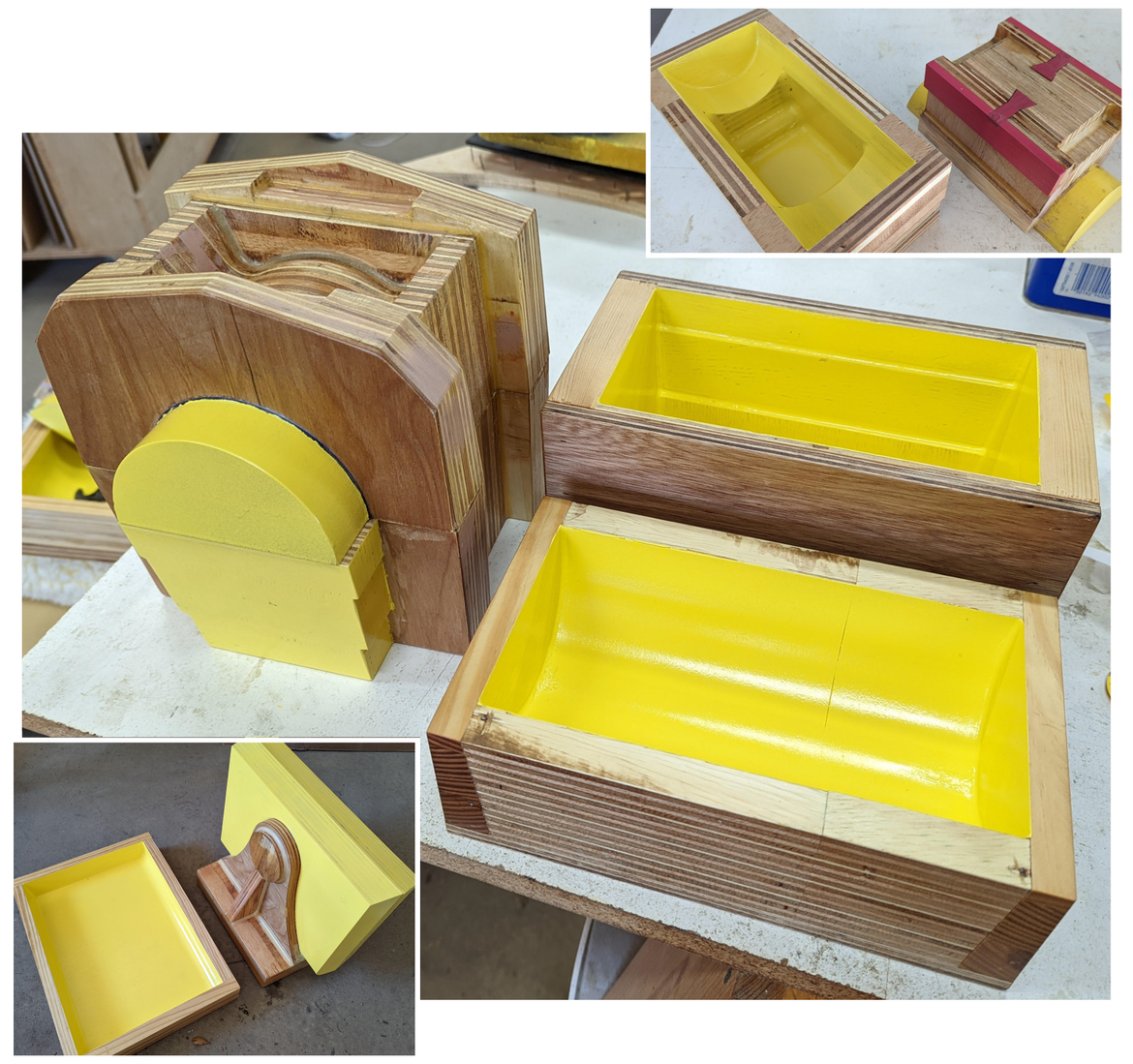
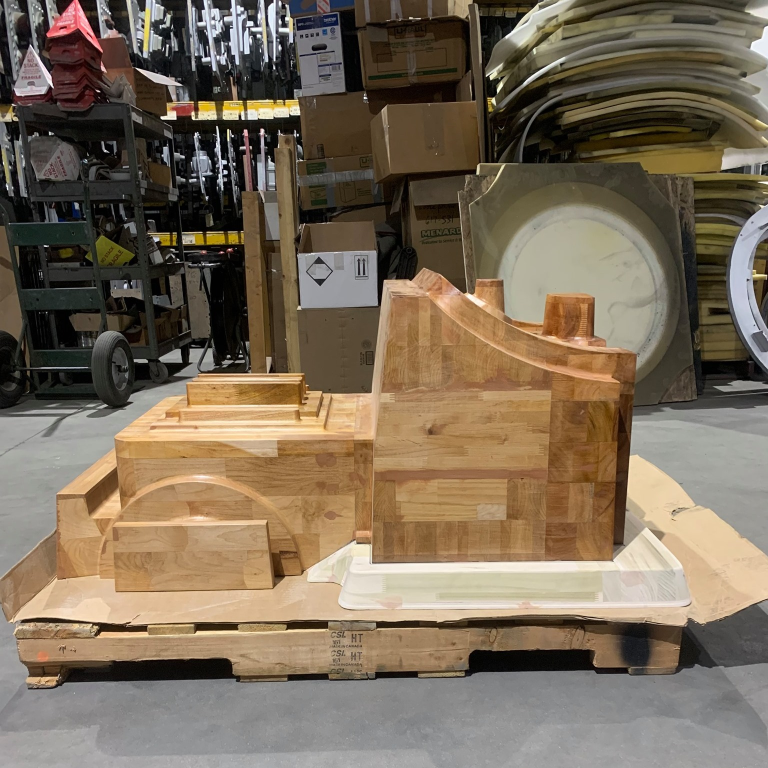
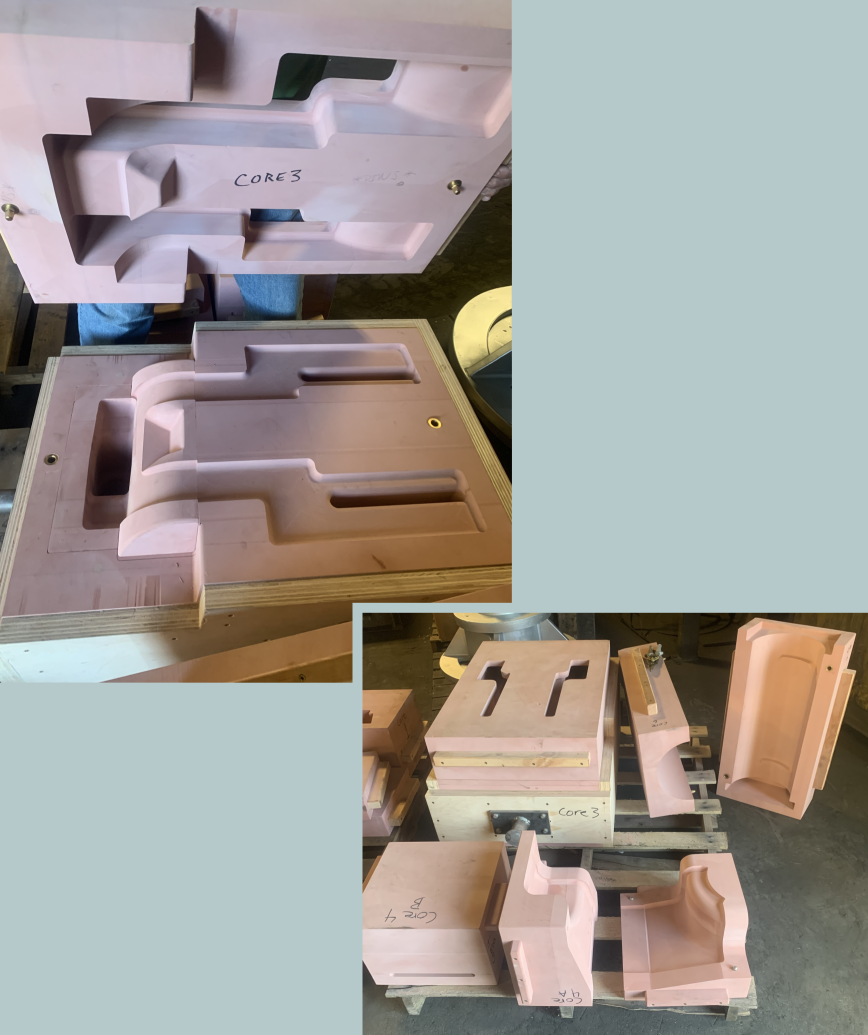
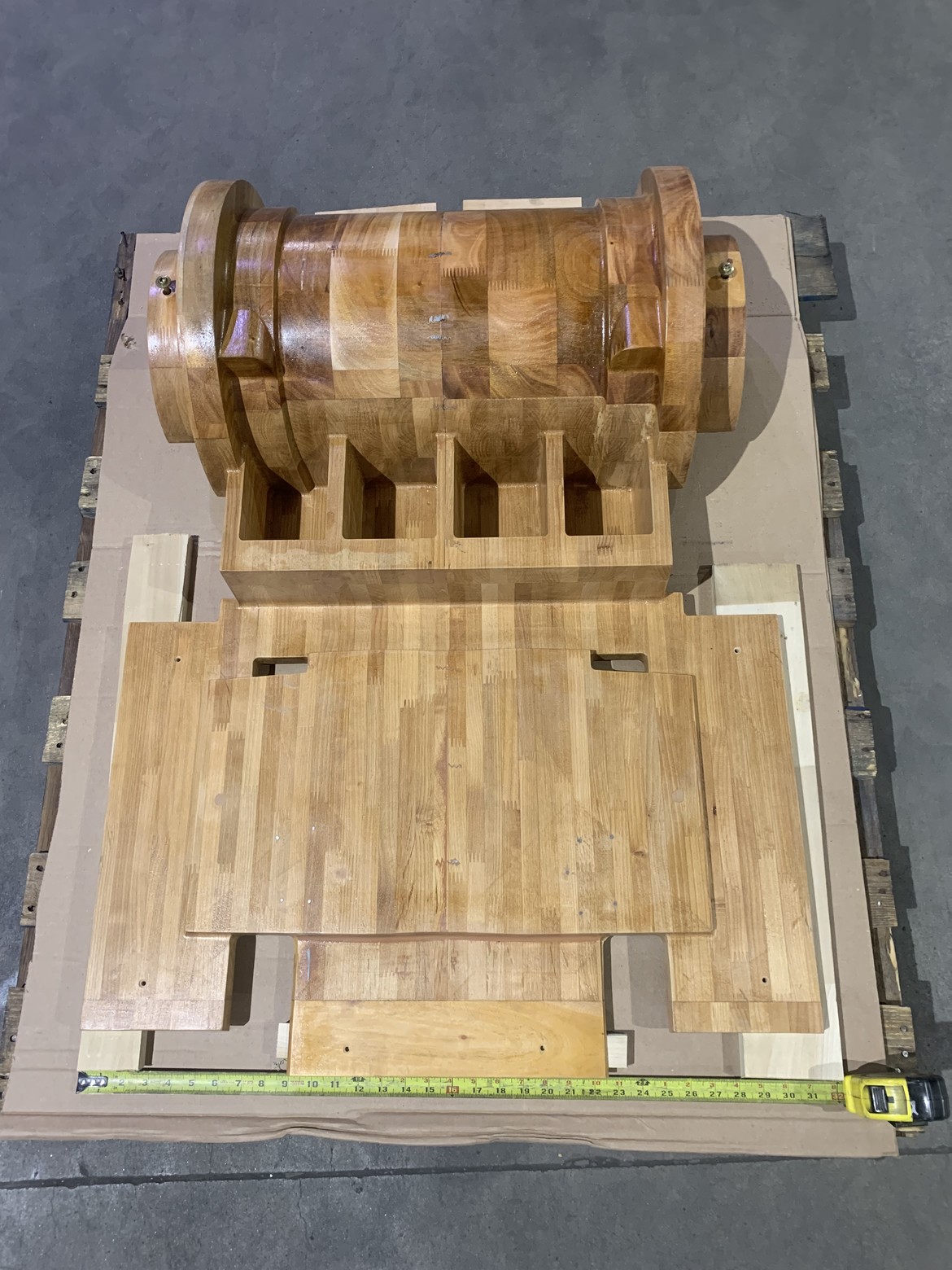 This photo shows the completed pattern for one half of the mold. As you can see, it is a large piece. The tape measure at the bottom shows that it is about 32 inches wide.
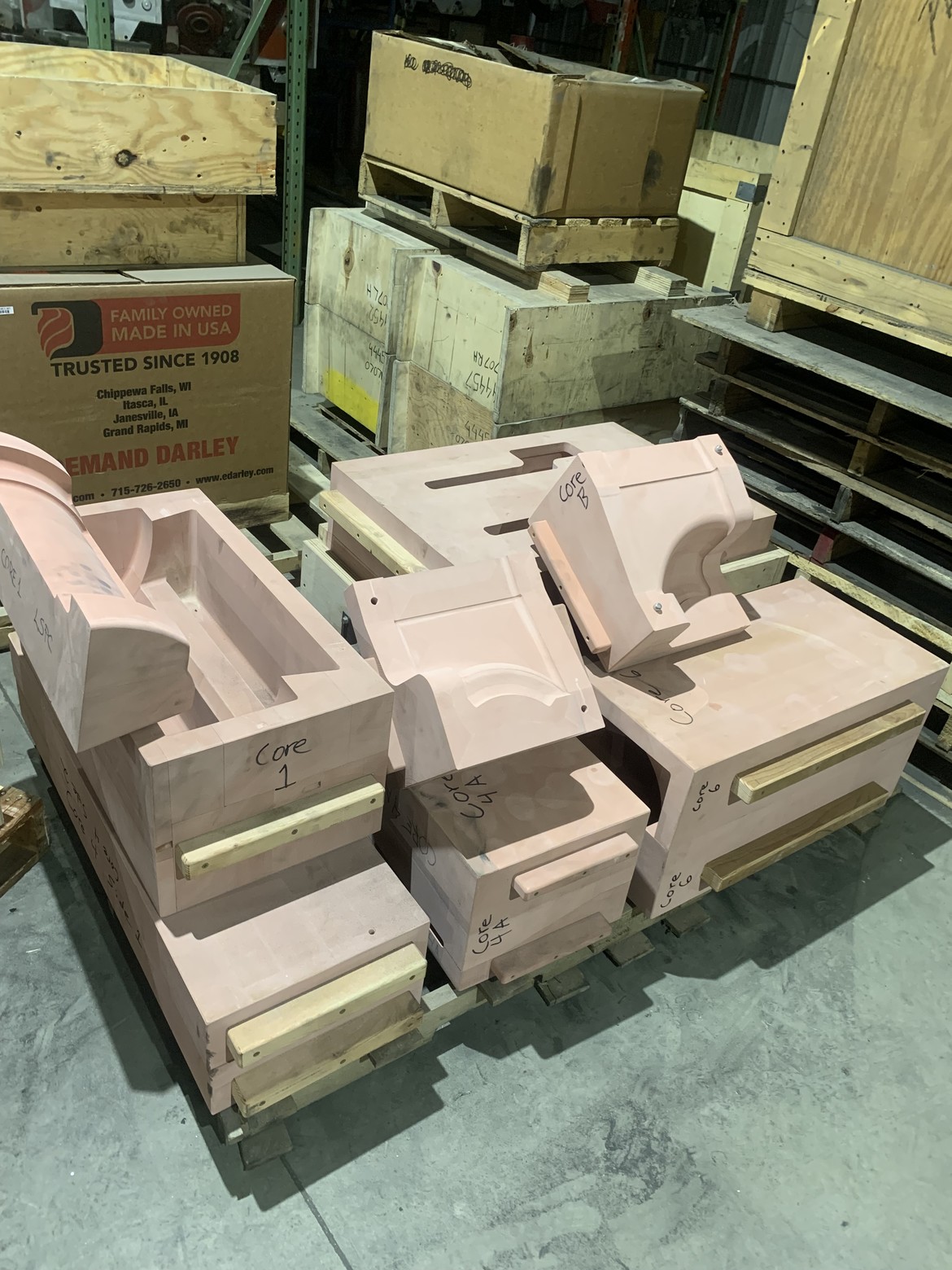 This photo shows several of the cores and core boxes, which create cavities inside the mold during the pour.
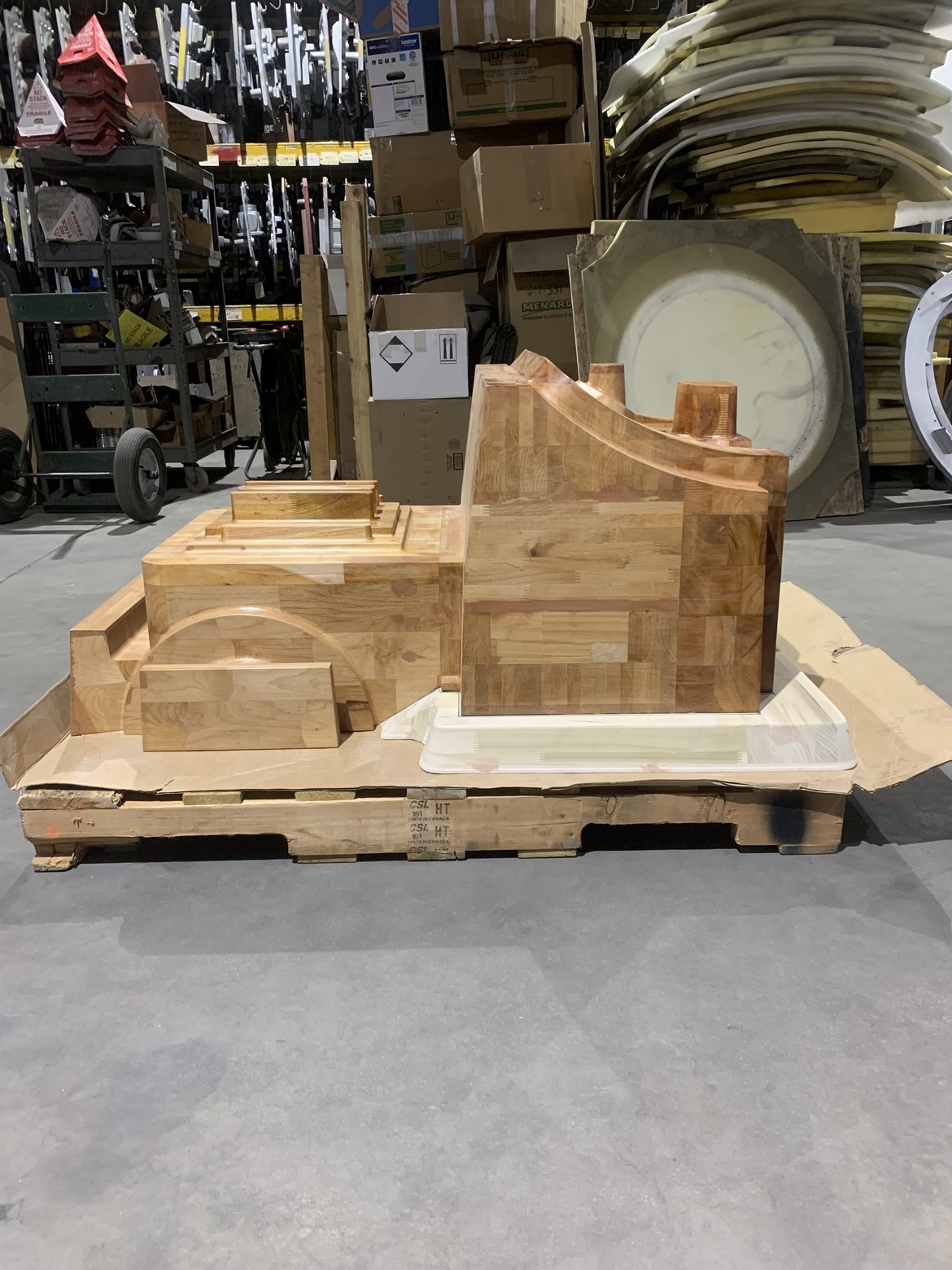 This image is of the cope, or top half, of the two part pattern used to make the casting. On the right side, the curve is where the casting will be mated to the smokebox of No. 11. At the center left is the valve portion of the casting, and on the extreme left is where the frame of the locomotive will be bolted to the half-saddle. The bottom half of the mold (not shown) is known as the drag.
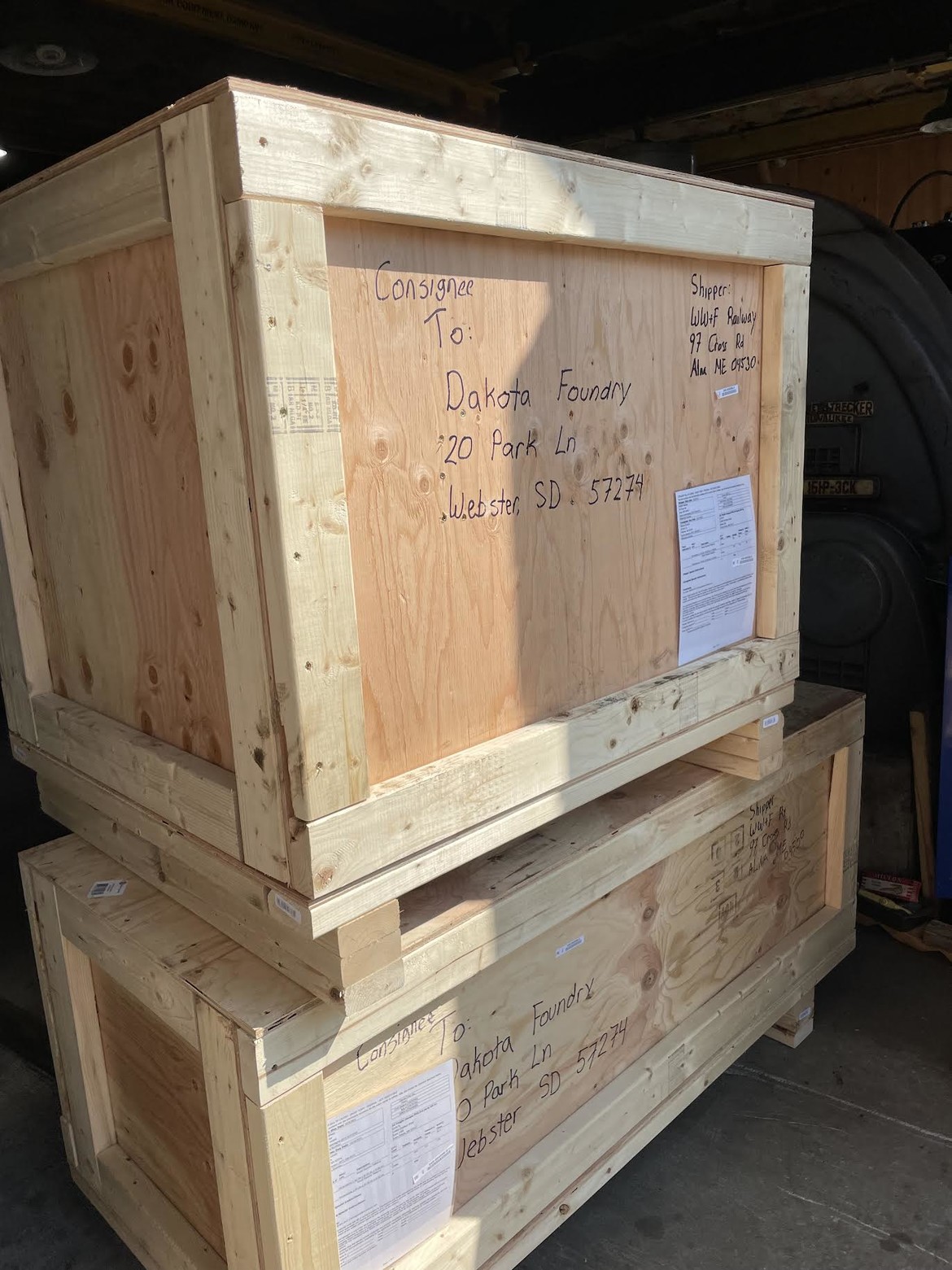 In other news concerning Dakota Foundry, the drive wheel center patterns, as well as the cranks (created by Bernie Perch) and the rear frame extension (by Alan Downey) castings, were crated by Harold and Alan Downey and were picked up by the trucking company on Thursday morning. Those pieces will be ductile iron rather than grey iron.
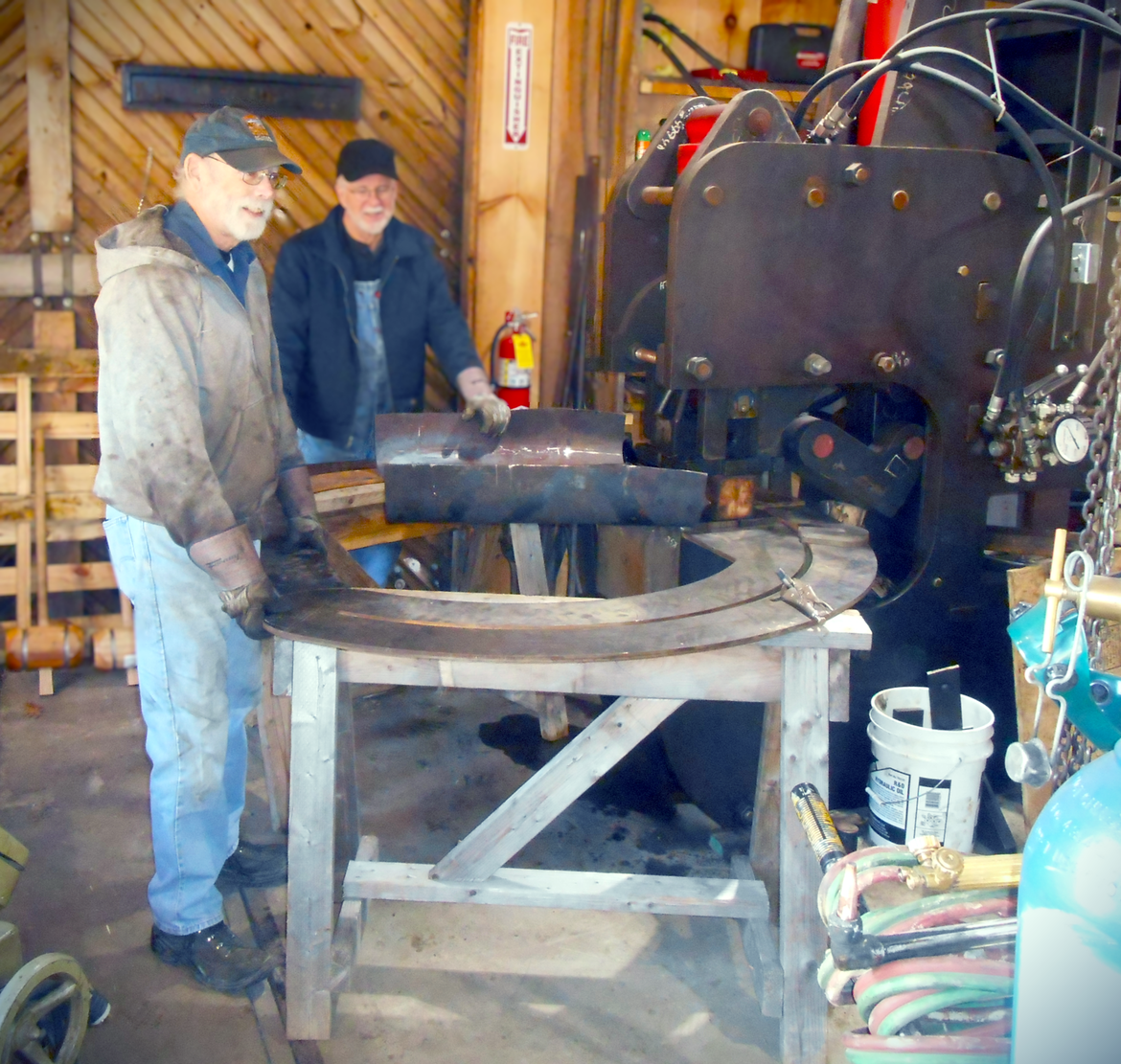
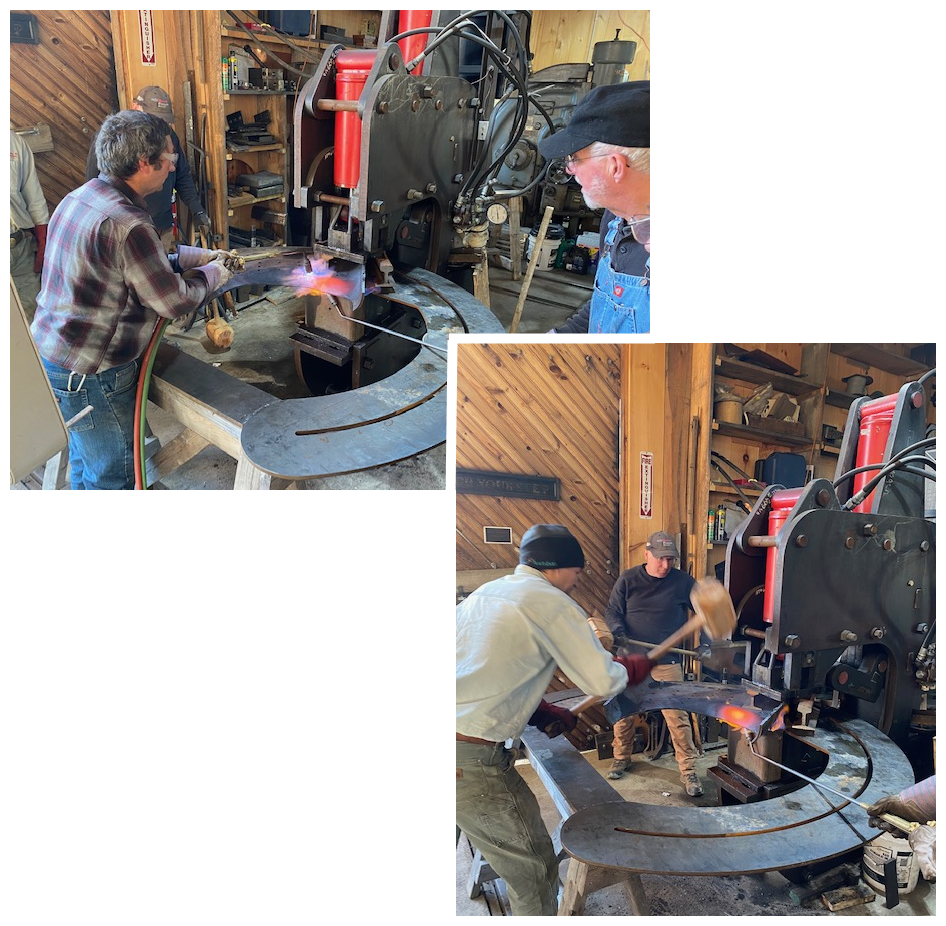
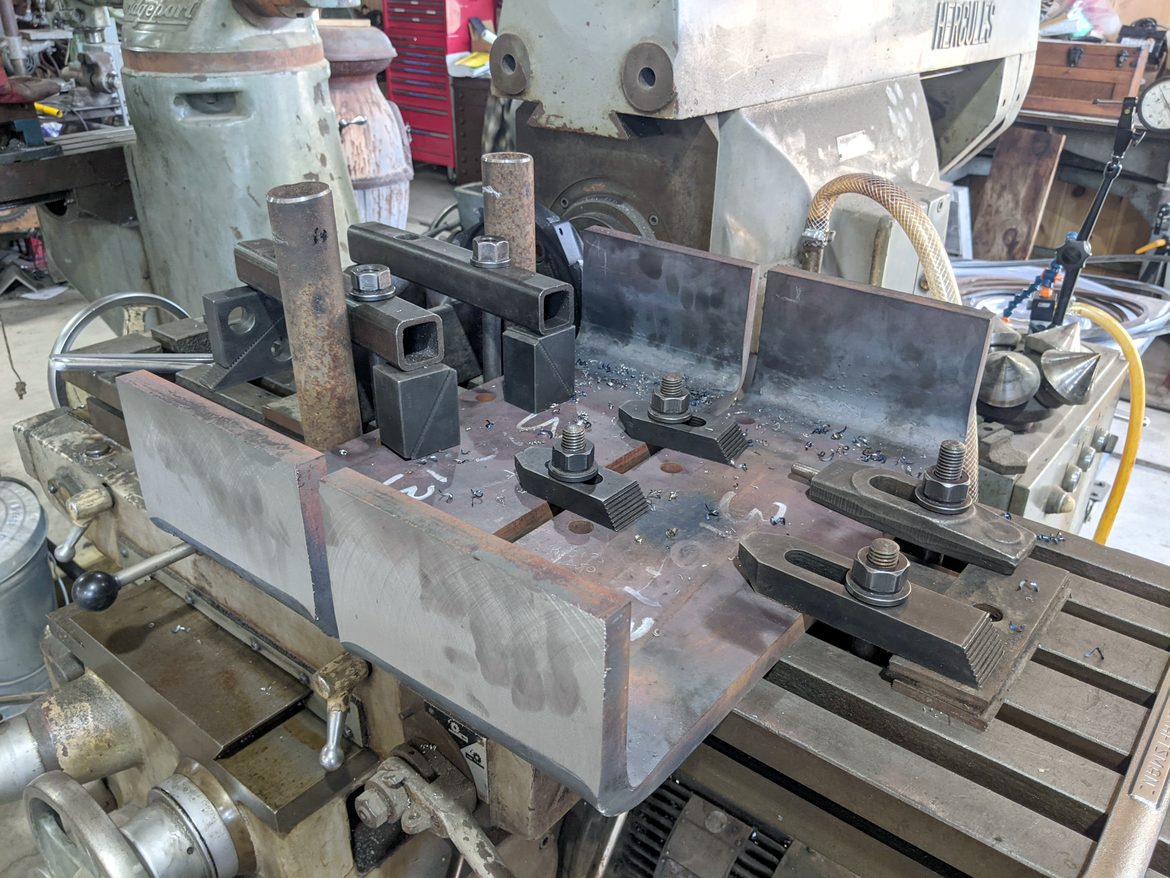
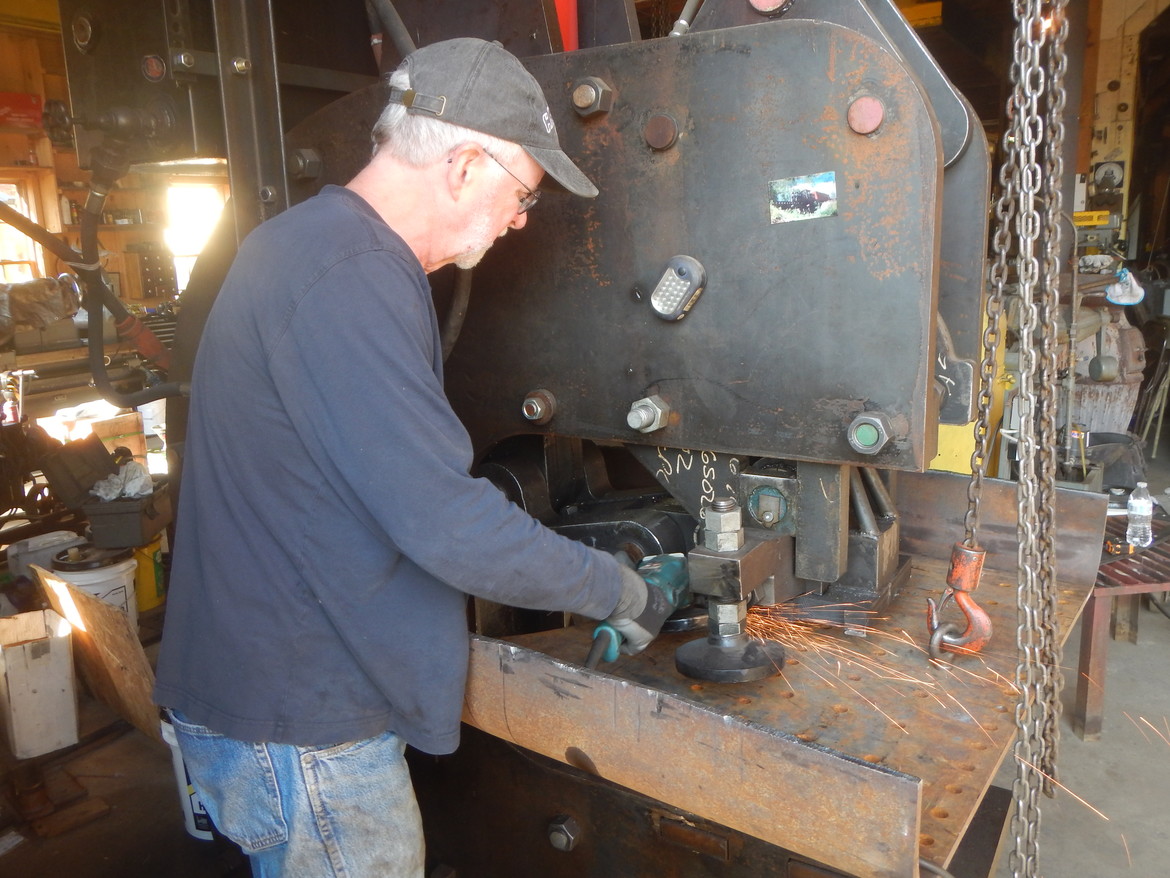 Several members of the No. 11 Project engineering committee were in Sheepscot over the past several days, during which they continued the work of forming parts for locomotive fireboxes. Jason, Rick, Gordon (pictured) and Wayne were involved in the process, using the flanging machine to form the rear firebox and the door wrapper sheets. In addition, a method was developed to form the throat sheet using the flanger.
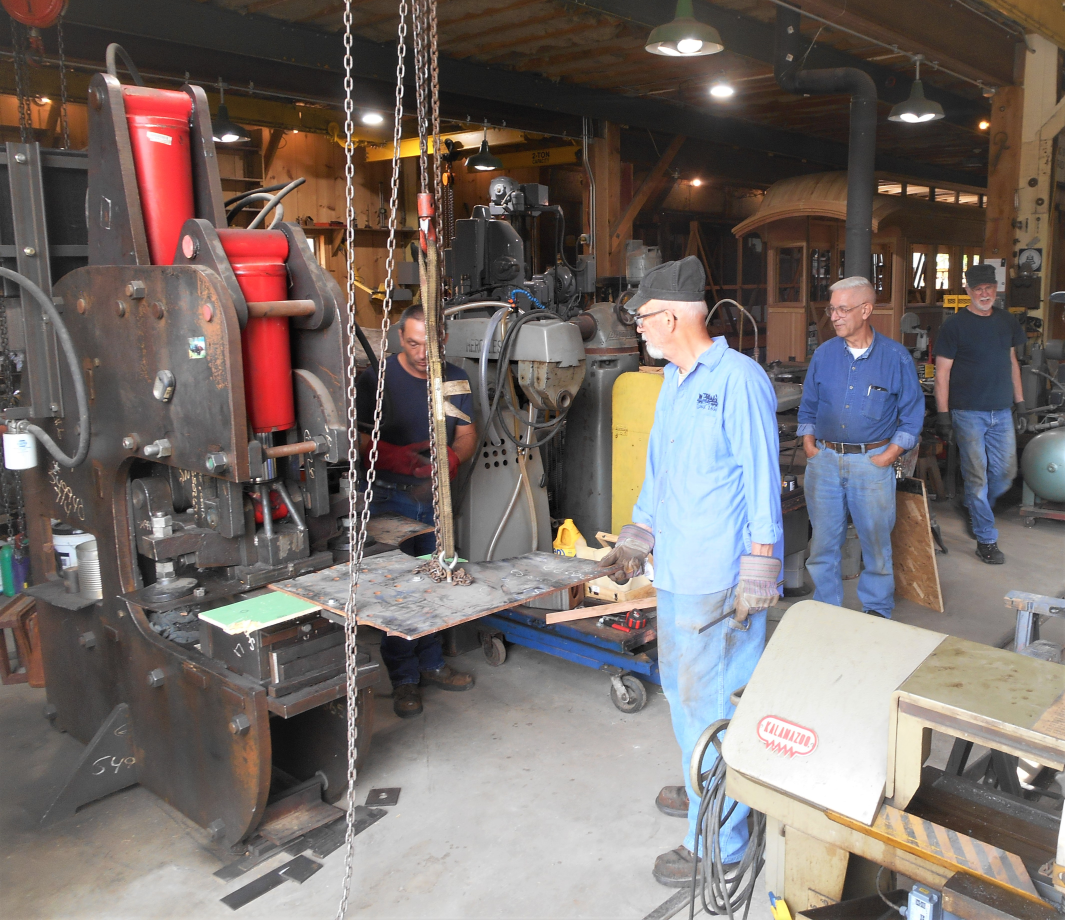 Here, Wayne Laepple (center) and Jason Lamontagne (left) are positioning the first sheet for bending in the flanger.
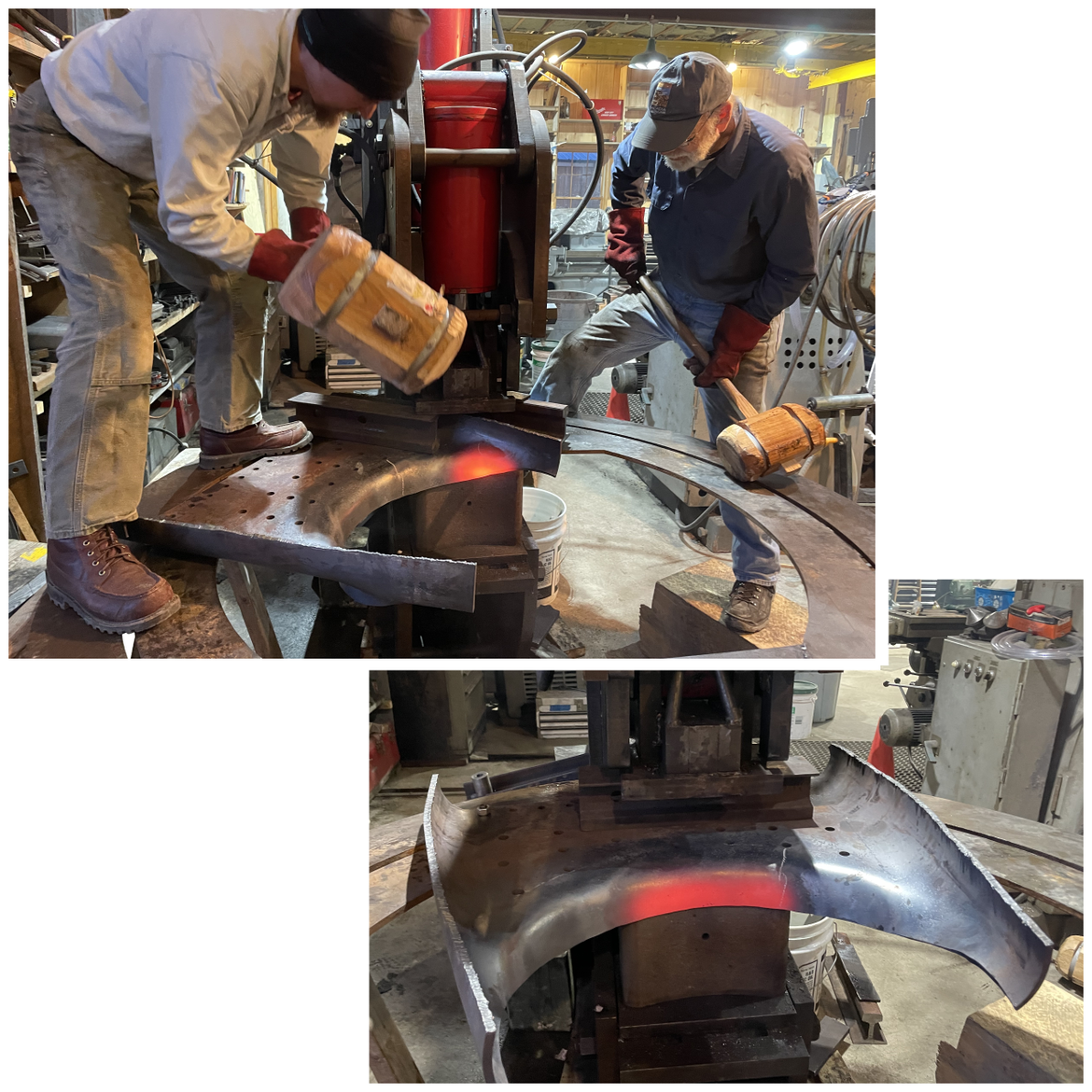
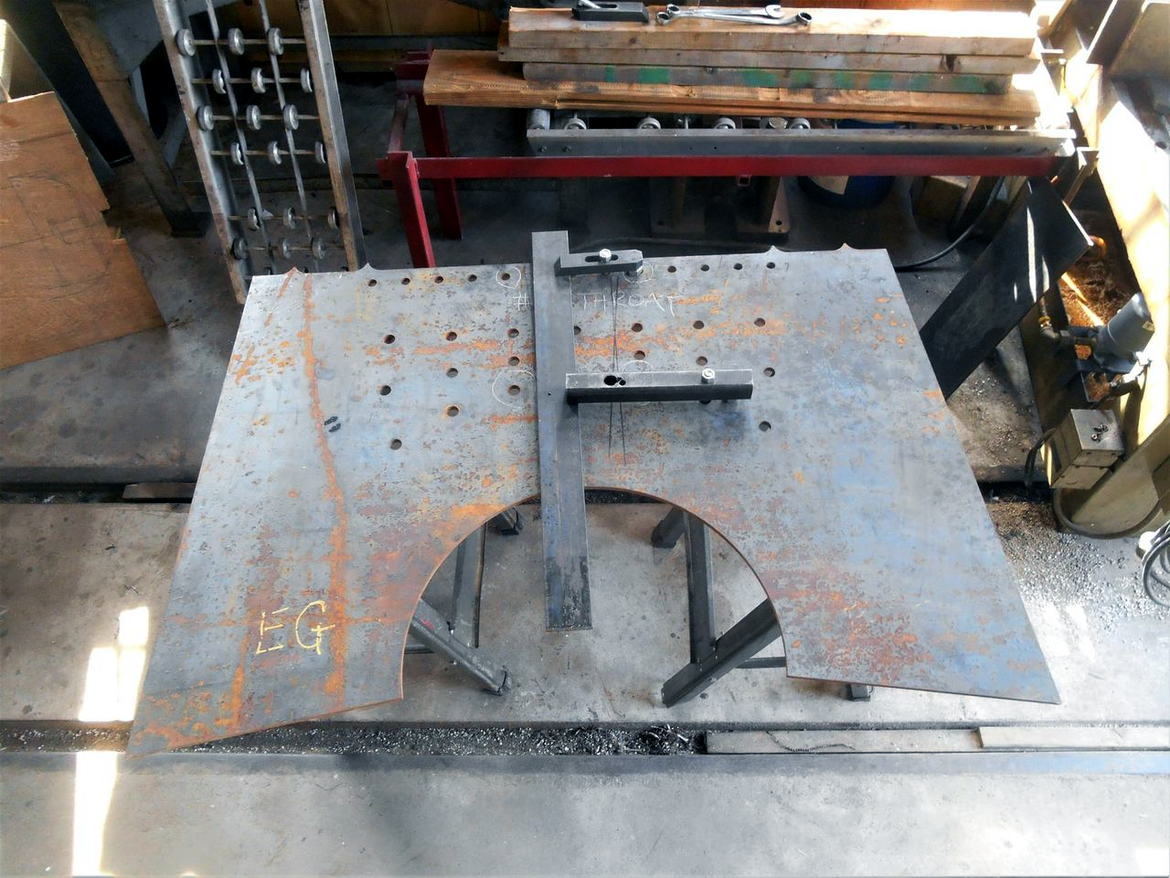 The first attempt to use steel bar as a stop, seen here, was unsuccessful. A second try, bolting the bar directly to the sheet, worked much better.
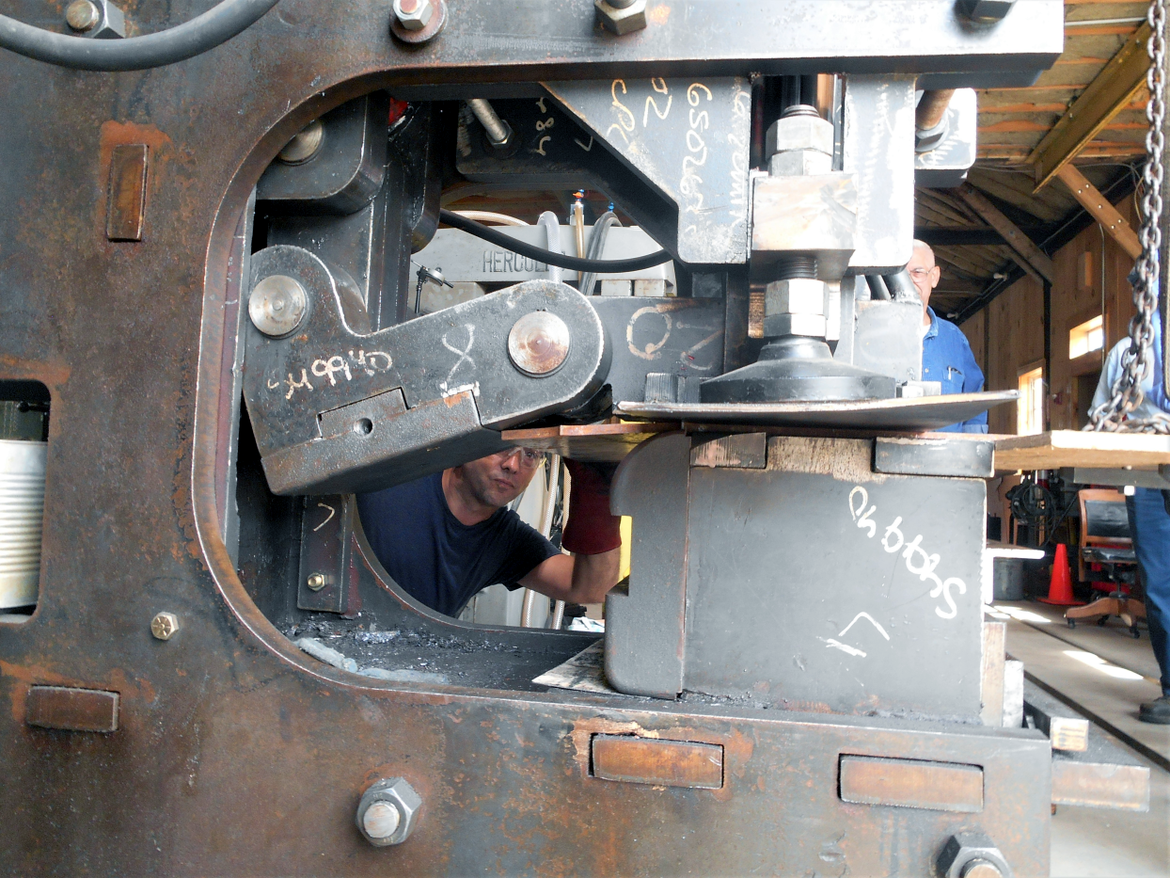 While it may seem like we did not accomplish much at this session, a good deal of time was necessary to lay out the bends to follow the contours of the sheets. The actual forming operations took less than a third of the entire time we worked.
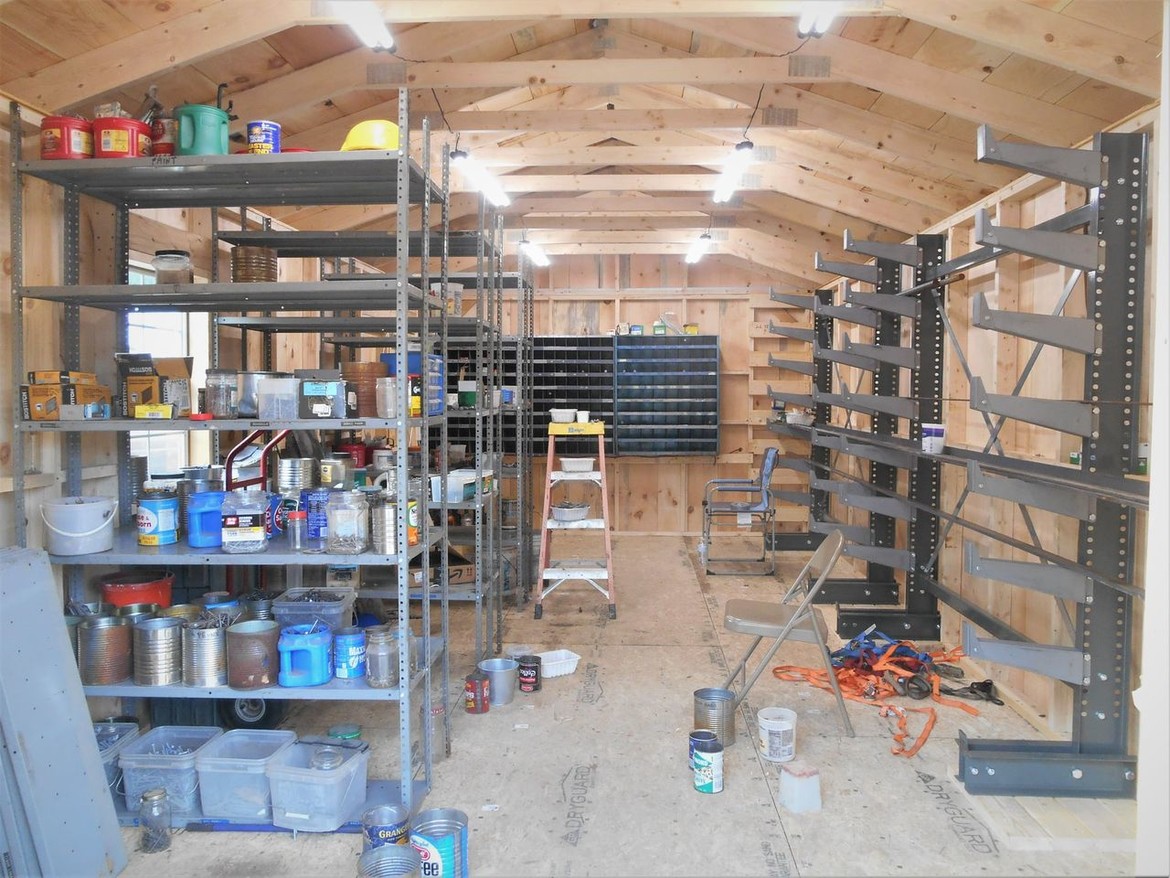 In other news, the arrival of the “shop annex,” a 12 x 24 foot structure that has been positioned adjacent to the shop, was followed by the installation of a rack for storage of lengths of flat, angle and round steel stock, steel shelving, and bolt bins. Materials from several locations in the shop have been consolidated into this structure, which will also house various tools and equipment not frequently used that occupied valuable floor space in the shop. Thanks to Brendan Barry, the storage spaces have been set up and lighting has been installed.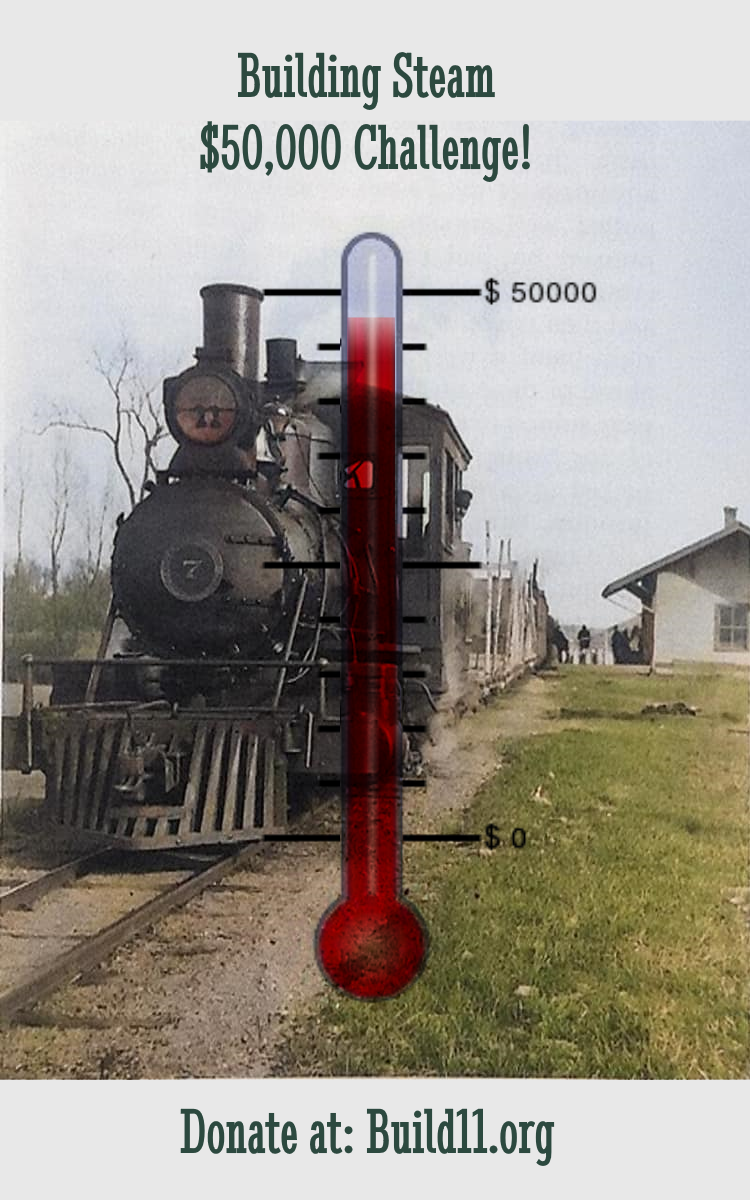
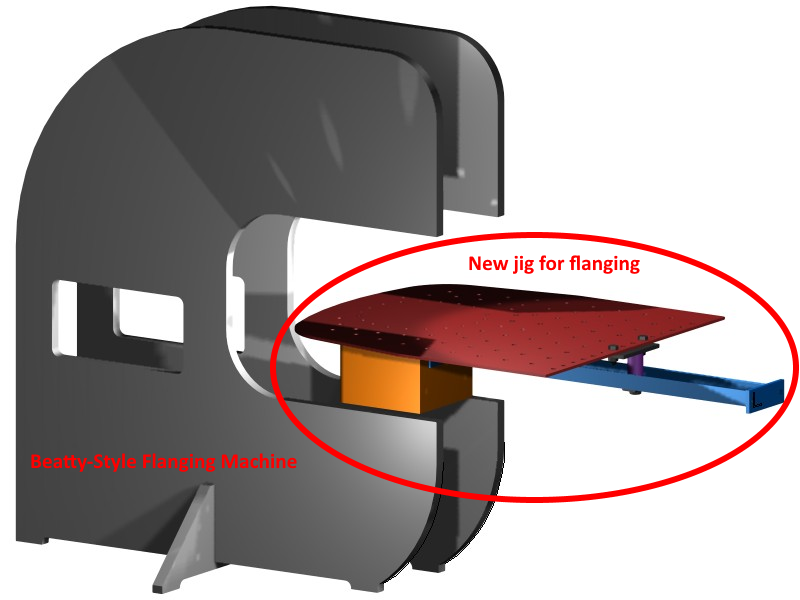
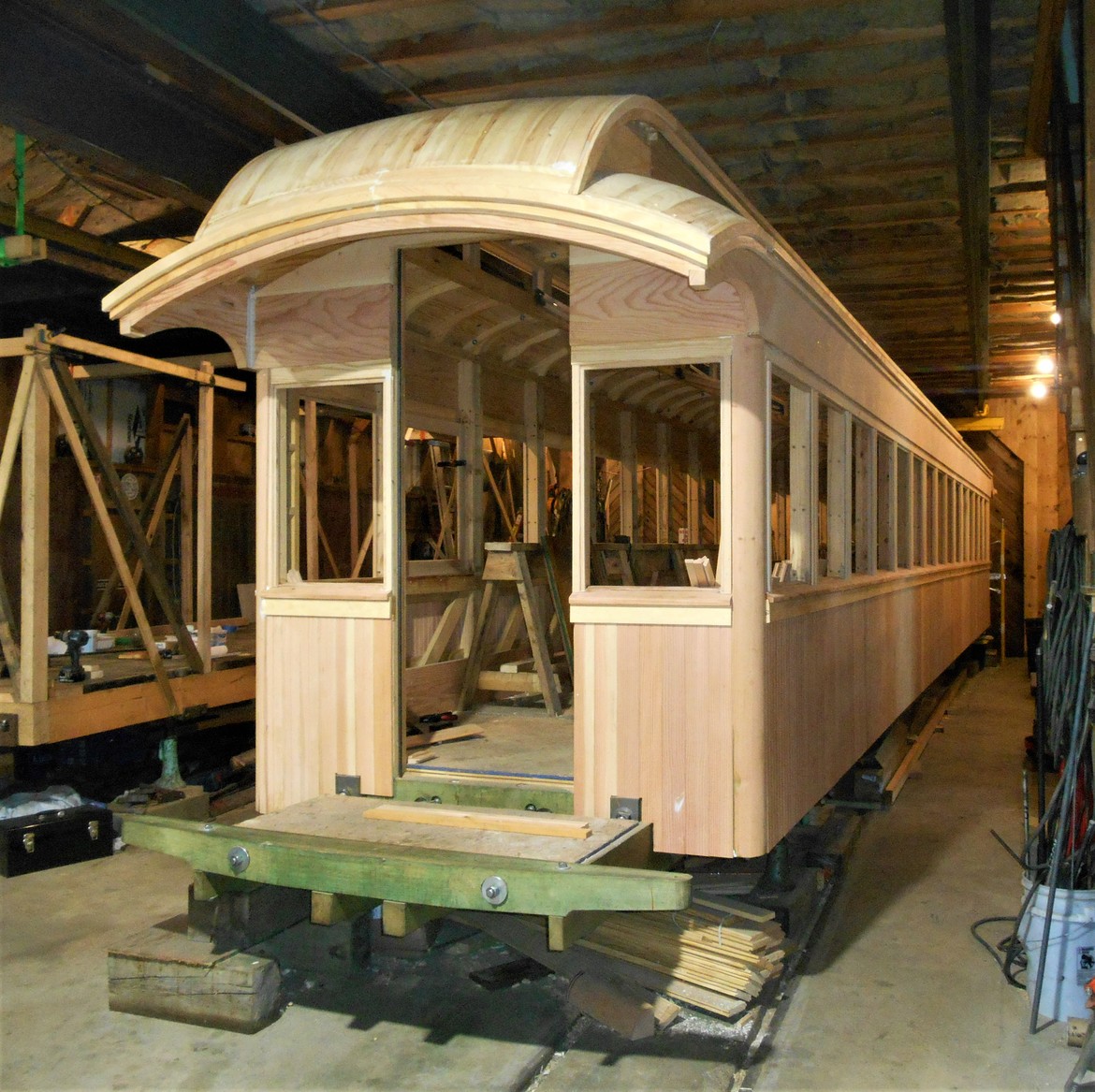 It is also planned to modify our home-built Beatty-style flanging machine to serve as a brake, adding another layer of versatility to this most useful tool. With that, we will be able to manufacture various parts for coach No. 9’s trucks. While we have a number of parts already on hand made for us by Cattail Foundry, we need a few more components before we can begin to machine and then assemble the trucks. As for Coach No. 9 itself, the exterior is essentially complete, so Eric and Ron and Lou will soon turn their attention to the interior of the car.
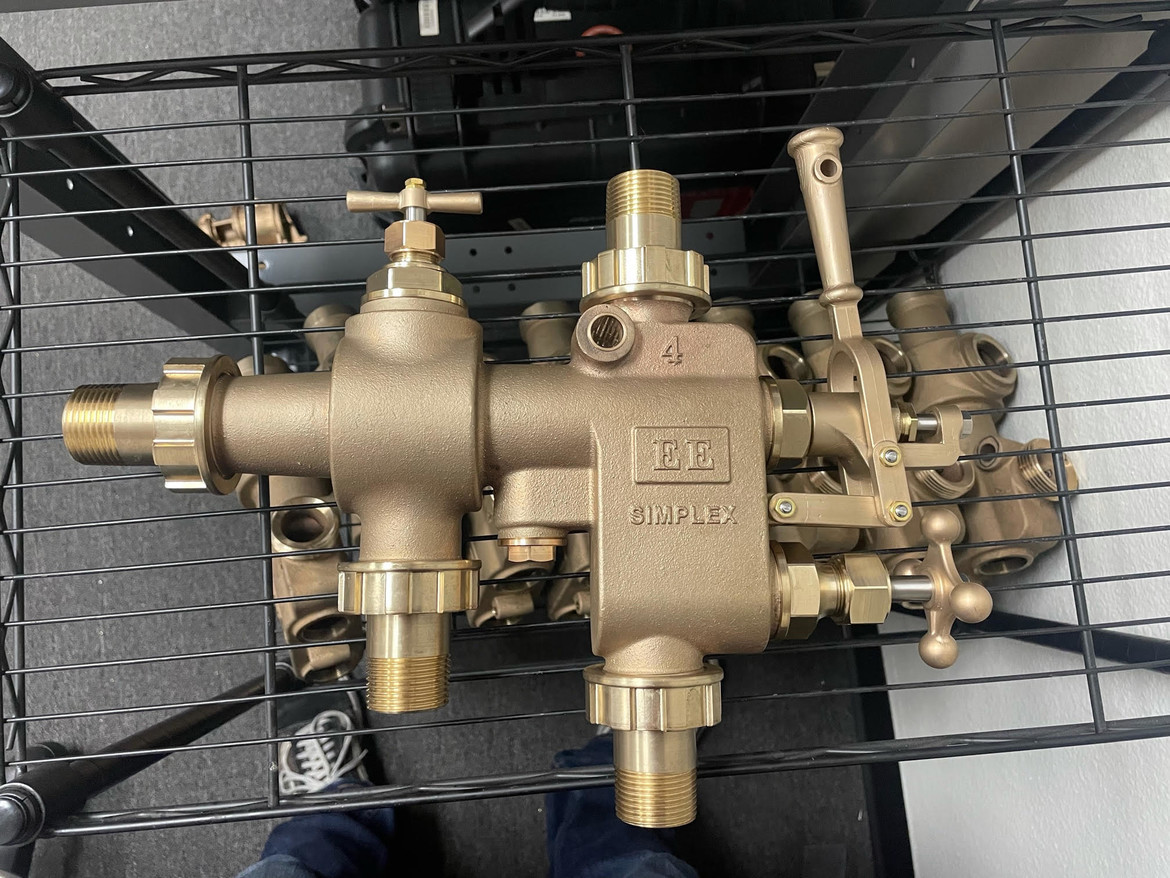 And to the delight of our hard-working steam crews, a brand spanking new Nathan “Simplex” No. 4 boiler injector, made by Eccentric Engineer of Orange, California, has been purchased and is being installed to replace a troublesome “legacy” injector on locomotive No. 9. Some minor modifications of the piping will be necessary, as will making a bracket to hold the device. If this injector proves successful on locomotive No. 9, additional injectors will be ordered for locomotive No. 11.
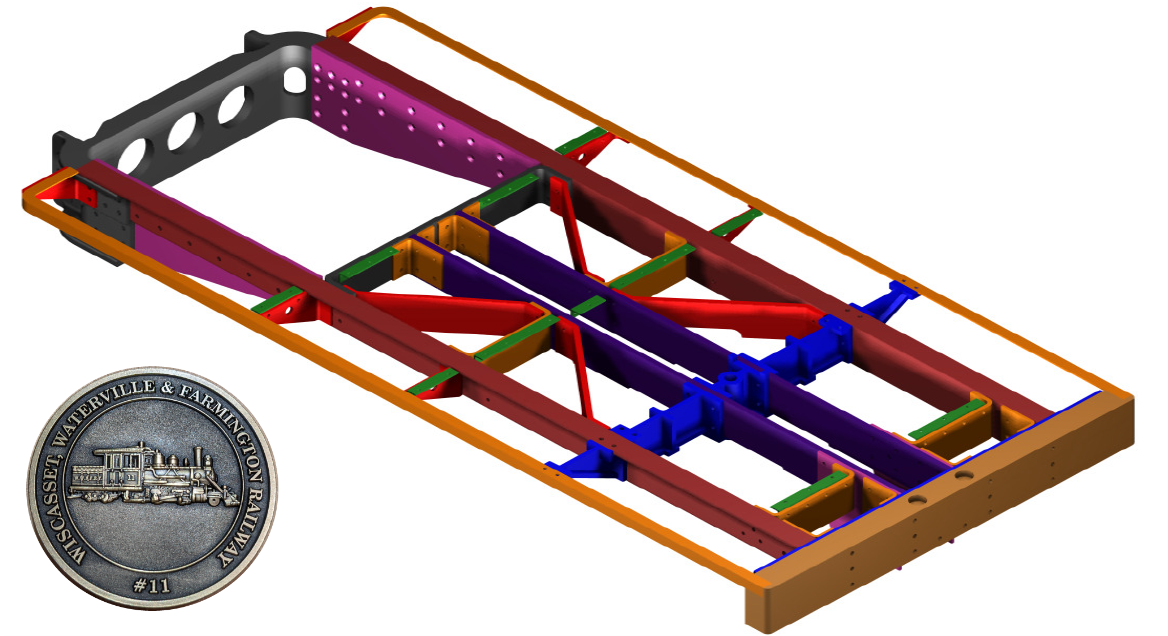
 Gordon Cook has produced an image of the Phase 1 work on No. 11, the assembly of the main frames of the locomotive. As work progresses on the actual assembly, we will update this image.
 We received the welcome news that pattern work for the locomotive’s cylinder half-saddles is proceeding at Dakota Foundry. They have sent us several photos.
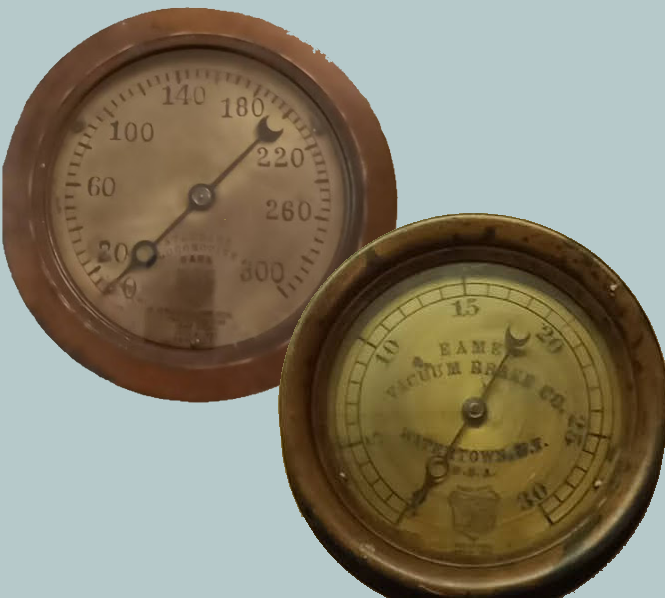
 Thanks to a couple of eagle-eyed members, we have been able to acquire an appropriate steam gauge and a genuine Eames Vacuum Brake gauge though on-line auction. Several WW&F members contributed funds to allow the purchase of authentic items needed for No. 11.
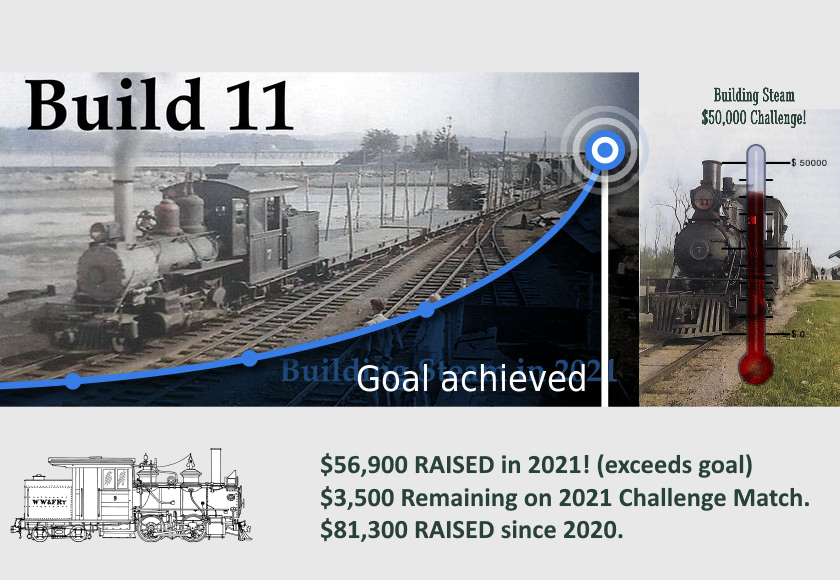
 Our 2021 fund raising for No. 11 is proceeding amazingly well. As of July 11, we have received $39,677.00, including $12,820.00 in matching funds from our anonymous donor. This brings us to 51% of the $50,000 Challenge (which concludes on October 31st) and to 80% of our overall goal for 2021!